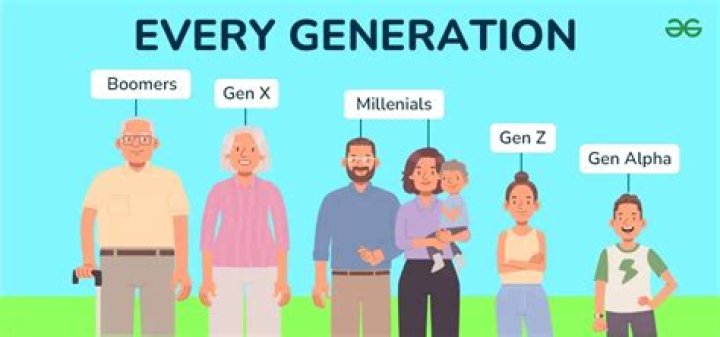
What are the different generation names, and how did they come to be?
Generations are often defined by the major historical events that occur during their formative years. For example, the "Silent Generation" was born during the Great Depression and World War II, while the "Baby Boomers" were born during the post-war economic boom.
Other generations have been defined by their social and cultural values. For example, the "Generation X" is often seen as being more cynical and individualistic than previous generations, while the "Millennials" are often seen as being more optimistic and tech-savvy.
The names of generations can be helpful for understanding the different values and perspectives of different age groups. They can also be used to track the changing social and cultural landscape over time.
Here is a list of some of the most common generation names, along with the years in which they were born:
- The Greatest Generation: 1901-1924
- The Silent Generation: 1925-1945
- The Baby Boomers: 1946-1964
- Generation X: 1965-1980
- The Millennials: 1981-1996
- Generation Z: 1997-2012
It is important to note that these are just general labels, and there is a great deal of variation within each generation. However, they can be a helpful tool for understanding the different perspectives and experiences of different age groups.
All the Generation Names
The concept of "generation names" is a way to categorize people into different groups based on their birth years and shared experiences. It's a useful way to understand the different perspectives and values of different age groups.
- Historical Events: Generations are often defined by the major historical events that occur during their formative years.
- Social and Cultural Values: Other generations have been defined by their social and cultural values.
- Demographics: Generation names can also be used to describe the demographic characteristics of a particular group of people, such as their age, race, or gender.
- Generational Gaps: Generation names can be used to identify and understand the differences between different generations.
- Cultural Impact: Generation names can also be used to track the changing social and cultural landscape over time.
Here are some examples of how generation names have been used to understand different groups of people:
- The "Baby Boomers" were born during the post-war economic boom and are known for their optimism and materialism.
- The "Generation X" is often seen as being more cynical and individualistic than previous generations.
- The "Millennials" are often seen as being more optimistic and tech-savvy than previous generations.
It is important to note that these are just general labels, and there is a great deal of variation within each generation. However, generation names can be a helpful tool for understanding the different perspectives and experiences of different age groups.
Historical Events: Generations are often defined by the major historical events that occur during their formative years.
The major historical events that occur during a person's formative years can have a profound impact on their values, beliefs, and outlook on life. This is why generations are often defined by the historical events that occur during their formative years.
For example, the "Greatest Generation" was born during the Great Depression and World War II. These events had a major impact on their values and beliefs. The Greatest Generation is known for its patriotism, hard work, and resilience.
The "Baby Boomers" were born during the post-war economic boom. These events had a major impact on their values and beliefs. The Baby Boomers are known for their optimism, materialism, and individualism.
The "Generation X" was born during the Vietnam War and the Watergate scandal. These events had a major impact on their values and beliefs. Generation X is known for its cynicism, skepticism, and individualism.
The "Millennials" were born during the rise of the internet and the global economy. These events had a major impact on their values and beliefs. Millennials are known for their optimism, tolerance, and tech-savviness.
The historical events that occur during a person's formative years can have a profound impact on their values, beliefs, and outlook on life. This is why generations are often defined by the historical events that occur during their formative years.
Social and Cultural Values: Other generations have been defined by their social and cultural values.
Social and cultural values are the beliefs, attitudes, and norms that shape a society. They can influence everything from the way we dress to the way we raise our children. Social and cultural values can also change over time, as new generations come of age with different experiences and perspectives.
- Values Related to Work and Family: Different generations have different values related to work and family. For example, the Baby Boomers are known for their strong work ethic and dedication to their careers. Millennials, on the other hand, are more likely to value work-life balance and spending time with their families.
- Values Related to Social and Political Issues: Different generations also have different values related to social and political issues. For example, the Greatest Generation is known for its patriotism and support for traditional values. Millennials, on the other hand, are more likely to be supportive of social and environmental causes.
- Values Related to Technology: Different generations have different values related to technology. For example, the Baby Boomers were the first generation to grow up with television, while Millennials are the first generation to grow up with the internet. These different experiences have shaped their values and beliefs about technology.
- Values Related to Education: Different generations have different values related to education. For example, the Greatest Generation is known for its, while Millennials are more likely to value hands-on experience and lifelong learning.
The social and cultural values of a generation can have a significant impact on its members. These values can shape their, their relationships with others, and their overall outlook on life.
Demographics: Generation names can also be used to describe the demographic characteristics of a particular group of people, such as their age, race, or gender.
Generation names are often used to describe the demographic characteristics of a particular group of people, such as their age, race, or gender. This is because the experiences and perspectives of different generations can be shaped by their demographic characteristics.
For example, the Baby Boomers are a generation that was born during the post-war economic boom. This generation is known for its optimism, materialism, and individualism. These values and beliefs were shaped by the economic and social conditions that the Baby Boomers experienced during their formative years.
Another example is Generation Z. This generation is the first to have grown up with the internet and social media. This has shaped their values and beliefs in a number of ways. For example, Generation Z is more likely to be tolerant of diversity and more likely to be concerned about social and environmental issues.
The demographic characteristics of a generation can have a significant impact on its values and beliefs. This is why generation names are often used to describe the demographic characteristics of a particular group of people.
Understanding the demographic characteristics of different generations can help us to better understand their values, beliefs, and perspectives. This can be helpful in a number of different contexts, such as marketing, public policy, and education.
Generational Gaps: Generation names can be used to identify and understand the differences between different generations.
Generation names are a useful way to identify and understand the differences between different generations. This is because the experiences and perspectives of different generations can be shaped by the historical events, social and cultural values, and demographic characteristics that they experience during their formative years.
For example, the Baby Boomers are a generation that was born during the post-war economic boom. This generation is known for its optimism, materialism, and individualism. These values and beliefs were shaped by the economic and social conditions that the Baby Boomers experienced during their formative years.
Another example is Generation Z. This generation is the first to have grown up with the internet and social media. This has shaped their values and beliefs in a number of ways. For example, Generation Z is more likely to be tolerant of diversity and more likely to be concerned about social and environmental issues.
The differences between different generations can lead to generational gaps. Generational gaps can be a source of conflict and misunderstanding. However, they can also be a source of creativity and innovation. By understanding the different values and perspectives of different generations, we can bridge generational gaps and create a more inclusive and productive society.
Cultural Impact: Generation names can also be used to track the changing social and cultural landscape over time.
Generation names provide a valuable lens through which to examine the evolving social and cultural landscape. By studying the values, beliefs, and experiences of different generations, we can gain a deeper understanding of how societies change and adapt over time.
- Generational Values: The values held by different generations can provide insights into the changing priorities and concerns of society. For example, the Baby Boomers' emphasis on individualism and material success reflects the economic and social conditions they experienced during their formative years. In contrast, Millennials' focus on social justice and environmentalism reflects the different challenges and opportunities they have faced.
- Generational Beliefs: The beliefs held by different generations can also reveal important shifts in societal attitudes and norms. For example, the Greatest Generation's strong belief in patriotism and traditional values reflects the influence of the World War II era. In contrast, Generation X's skepticism and cynicism reflect the social and economic challenges they faced during their formative years.
- Generational Experiences: The experiences of different generations can shape their values and beliefs in profound ways. For example, the Baby Boomers' experience of the Vietnam War and the Civil Rights Movement had a significant impact on their political and social views. In contrast, Millennials' experience of the Great Recession and the rise of social media has shaped their economic and social outlook.
- Generational Impact: The values, beliefs, and experiences of different generations can have a significant impact on the social and cultural landscape. For example, the Baby Boomers' emphasis on individualism and material success has shaped the consumer culture of the United States. In contrast, Millennials' focus on social justice and environmentalism is likely to have a significant impact on the future of the country.
By studying generation names, we can gain a deeper understanding of the changing social and cultural landscape. This knowledge can help us to better understand the present and to anticipate the future.
FAQs about Generation Names
Generation names are a way to categorize people into different groups based on their birth years and shared experiences. They can be a helpful tool for understanding the different values and perspectives of different age groups.
Question 1: What are the different generation names?
There are many different generation names, but some of the most common include the Greatest Generation, the Silent Generation, the Baby Boomers, Generation X, Millennials, and Generation Z.
Question 2: How are generation names determined?
Generation names are often determined by the major historical events that occur during a particular group's formative years. For example, the Baby Boomers were born during the post-war economic boom, while Generation X was born during the Vietnam War and the Watergate scandal.
Question 3: Are generation names always accurate?
Generation names are not always accurate, and there is a great deal of variation within each generation. However, they can be a helpful tool for understanding the different perspectives and experiences of different age groups.
Question 4: What are the benefits of using generation names?
Generation names can be beneficial for a number of reasons. They can help us to understand the different values and perspectives of different age groups, track the changing social and cultural landscape over time, and identify and understand the differences between different generations.
Question 5: Are there any limitations to using generation names?
Generation names can be limited in a number of ways. They can be overly simplistic, they can ignore the diversity within each generation, and they can be used to stereotype people.
Question 6: How can I use generation names in my own life?
Generation names can be used in a number of ways. They can be used to understand the different perspectives of your colleagues, customers, or students. They can be used to track the changing social and cultural landscape. And they can be used to identify and understand the differences between different generations.
Summary of key takeaways or final thought:
Generation names can be a helpful tool for understanding the different values and perspectives of different age groups. They can be used to track the changing social and cultural landscape over time, and to identify and understand the differences between different generations. However, it is important to remember that generation names are not always accurate, and that there is a great deal of variation within each generation.
Transition to the next article section:
The next section of this article will explore the different values and perspectives of different generations.
Conclusion
In this article, we have explored the concept of "all the generation names." We have seen how generation names can be used to understand the different values and perspectives of different age groups, track the changing social and cultural landscape over time, and identify and understand the differences between different generations.
Generation names are a valuable tool for understanding the complexities of human society. They can help us to better understand ourselves and others, and to build more inclusive and productive communities.
The Ultimate Guide To Ava Eliot: Career, Life, And Legacy
Happy Hump Day: Embrace The Mid-Week Magic
The Ultimate Guide To Intriguing Discoveries In Texas
:max_bytes(150000):strip_icc()/names-of-generations-1435472_v31-5b48e0cec9e77c0037f56645.png)
